
The Best Ways to Start Affiliate Marketing in 2026 for Passive Income (Beginner-to-Advanced Strategy Guide)
Blog post Discover the best ways to start affiliate marketing in 2026 and build passive income online. Learn proven SEO strategies, niche ideas, AI tools, and beginner-friendly methods to earn consistently.
MAKING MONEY ONLINE
prospernexus
3/22/20269 min read
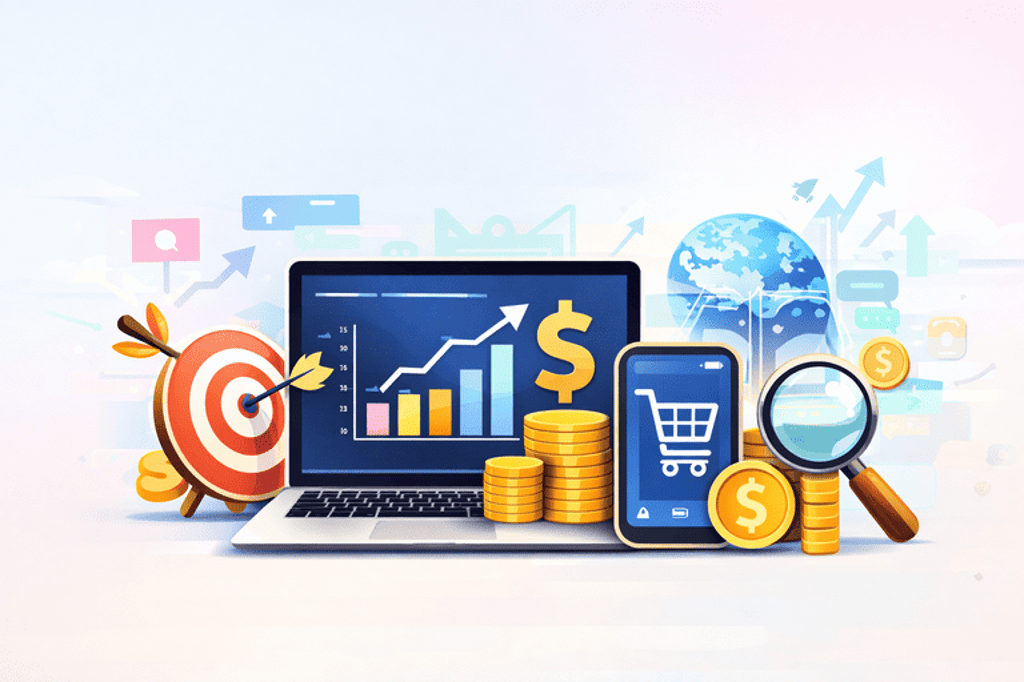
The Best Ways to Start Affiliate Marketing in 2026 for Passive Income
Affiliate marketing in 2026 isn’t just alive — it’s evolving into one of the most accessible and scalable passive income strategies available online. If you’ve read our earlier guide post on making money online in 2026, you already saw how affiliate marketing sits right at the center of modern digital income systems. But what makes it especially powerful today is how artificial intelligence, search behavior changes, and creator platforms are making it easier than ever for beginners to build automated income streams.
Think of affiliate marketing like building a digital recommendation engine that works for you while you sleep. Instead of trading time for money, you create content that solves problems. When someone reads your blog, watches your video, or clicks your guide and buys a product through your referral link, you earn a commission. Over time, that content keeps working for you — often for months or even years.
The biggest shift happening in 2026 is that affiliate marketing is no longer just about blogging. It now includes faceless YouTube channels, AI-assisted content hubs, Pinterest traffic funnels, niche newsletters, and micro-authority websites built around very specific search intent. This means beginners can start faster, scale smarter, and create systems that generate recurring income without needing huge audiences.
In this guide, you’ll learn exactly how affiliate marketing works today, what strategies produce passive income fastest, and how to build a system that compounds results over time rather than relying on short-term wins.
Why Affiliate Marketing Still Works in 2026 (And Why It’s Growing Faster Than Ever)
Affiliate marketing continues to expand in 2026 because businesses increasingly rely on creators and niche publishers to reach targeted audiences. Instead of spending heavily on traditional advertising campaigns, companies now prefer performance-based partnerships where affiliates are paid only when results happen. That shift has created a massive opportunity for individuals who want to earn online without building products themselves.
One major driver behind this growth is AI-assisted content creation. Tools like smart keyword research assistants, automated outline generators, and content optimization platforms help affiliate marketers produce high-quality articles faster than ever before. This removes one of the biggest barriers that previously prevented beginners from entering the space. Instead of needing months to build content libraries, creators can now launch niche authority sites in weeks.
Another reason affiliate marketing is expanding is the rise of intent-based search behavior. People don’t just browse randomly anymore. They search with purpose. Queries like “best AI writing tools for bloggers,” “top budgeting apps for beginners,” and “how to start investing safely” show that users are ready to take action. Affiliate marketers who create helpful content around these searches naturally earn commissions because they provide solutions at exactly the right moment.
Passive income models are also becoming more attractive as remote work increases and digital entrepreneurship becomes mainstream. More people want flexible income streams that don’t rely on hourly effort. Affiliate marketing fits perfectly into that goal because once content ranks in search engines or gains traction on social platforms, it continues generating traffic and revenue automatically.
How Affiliate Marketing Actually Generates Passive Income
Affiliate marketing produces passive income when your content continues attracting visitors long after it’s published. Unlike freelancing or consulting, where income stops when work stops, affiliate content keeps working in the background. The key is understanding the difference between active promotion and evergreen promotion strategies.
Active affiliate content includes things like short-term promotions, seasonal campaigns, or trending product launches. These can generate quick income bursts but usually don’t last long. Evergreen affiliate content, on the other hand, targets ongoing problems people consistently search for throughout the year. Examples include productivity tools, budgeting software, email platforms, and beginner investing guides.
Evergreen content works like a digital asset. Once published and optimized properly, it can rank in search engines or circulate on social platforms indefinitely. This creates recurring opportunities for commissions without needing constant updates. Over time, building multiple evergreen pieces creates a network of income sources that compound together into something much more powerful.
Traffic channels also play a huge role in passive affiliate income. Search engines, Pinterest, YouTube search, and niche newsletters all provide long-term discovery pathways for your content. Unlike paid ads, which stop working when budgets run out, organic traffic keeps flowing. That’s why most successful affiliate marketers in 2026 focus on building assets rather than chasing quick wins.
Choosing the Most Profitable Affiliate Niches in 2026
Selecting the right niche is one of the most important decisions in affiliate marketing. The best niches combine strong demand, recurring purchases, and long-term relevance. In 2026, several categories consistently outperform others because they align with major global trends like automation, remote work, and financial independence.
AI software tools are currently one of the fastest-growing affiliate opportunities available. Businesses and creators are adopting automation platforms for writing, research, design, and analytics at record speed. Many of these companies offer recurring commission structures, meaning affiliates earn monthly income rather than one-time payments. This creates a powerful passive revenue model that compounds as audiences grow.
Finance-related affiliate niches also perform extremely well because they address high-value problems. Topics like budgeting apps, investing platforms, credit improvement tools, and savings strategies attract audiences who are already motivated to take action. When readers trust your recommendations in this space, conversions tend to be higher than average.
Digital education is another strong category. Online learning platforms, productivity courses, and skill-building resources continue expanding as people look for ways to increase income potential and career flexibility. Promoting tools that help people improve their lives creates a win-win relationship where both the audience and the affiliate benefit.
Choosing a niche connected to long-term behavioral trends rather than short-term hype dramatically increases the chances of building sustainable passive income through affiliate marketing.
The Best Affiliate Marketing Platforms for Beginners in 2026
Affiliate platforms act as the bridge between creators and companies offering commission-based partnerships. In 2026, beginners have more options than ever before, and many programs now provide dashboards, analytics tools, and educational resources that make getting started easier.
Amazon Associates remains one of the most beginner-friendly platforms because it allows affiliates to promote millions of products across nearly every category. While commissions are lower compared to some specialized programs, conversion rates are high because customers already trust the platform. This makes it a strong entry point for new marketers learning how affiliate links work.
Software affiliate programs are becoming increasingly popular because they offer higher payouts and recurring revenue structures. Many AI tools, website builders, and productivity platforms pay commissions every month as long as users remain subscribed. This creates predictable income streams that grow alongside your content library.
Networks like ShareASale, Impact, and PartnerStack also provide access to hundreds of brands across multiple industries. These platforms allow affiliates to test different niches and identify what resonates most with their audiences before committing to a long-term strategy.
Starting with platforms that provide strong analytics helps beginners understand which content generates the most clicks and conversions, making optimization much easier over time.
Building a Simple Affiliate Marketing Funnel That Converts
Many beginners assume affiliate marketing is just about placing links inside blog posts. In reality, the most successful affiliate marketers use simple funnels that guide readers from discovery to decision naturally. These funnels don’t require complicated technology. They simply organize information in a helpful sequence.
The first stage of an affiliate funnel focuses on attracting attention through educational content. Blog posts answering beginner questions, comparison guides, and tutorial articles perform especially well because they address real problems people are actively trying to solve. Once readers find your content useful, they become more open to recommendations.
The second stage introduces solutions. This is where product reviews, tool comparisons, and step-by-step walkthroughs help readers understand how specific platforms or services can help them achieve their goals. Instead of pushing sales aggressively, the content builds confidence and clarity.
The final stage encourages action. Readers who already trust your guidance are much more likely to click affiliate links because they see them as helpful shortcuts rather than advertisements. Over time, building multiple funnels around different topics creates a network of automated conversion pathways that work continuously in the background.
Using SEO to Create Long-Term Affiliate Income Streams
Search engine optimization remains one of the most powerful tools for building passive affiliate income because it connects content with people actively looking for solutions. Instead of chasing attention on social media platforms where algorithms change constantly, SEO allows creators to capture consistent traffic from users who already have intent.
Keyword targeting plays a central role in this process. Long-tail search phrases like “best AI writing tools for beginners,” “top budgeting apps for freelancers,” and “how to start affiliate marketing with no experience” attract visitors who are closer to making decisions. These readers are more likely to click recommendations because they are already searching for guidance.
Content structure also affects SEO performance significantly. Articles that answer specific questions clearly, provide comparisons, and include actionable steps tend to rank better because they align with how modern search engines evaluate usefulness. Updating content periodically also helps maintain rankings over time.
Building clusters of related articles around a central topic strengthens authority signals and increases visibility across multiple search queries. Over time, this creates a steady stream of visitors who discover your affiliate recommendations naturally through search results.
Leveraging AI Tools to Scale Affiliate Marketing Faster
Artificial intelligence is transforming affiliate marketing by making research, writing, optimization, and analytics more accessible than ever before. Instead of spending hours manually brainstorming content ideas, creators can now identify high-potential keywords within minutes using AI-assisted tools.
Content drafting has also become significantly faster. While human editing remains essential for authenticity and clarity, AI helps structure articles quickly so creators can focus on adding personal insight and strategy rather than starting from scratch every time. This dramatically increases productivity and allows marketers to publish consistently.
Analytics tools powered by machine learning help identify which articles generate the most engagement and conversions. Instead of guessing what works, creators can make data-driven decisions that improve results steadily over time. This transforms affiliate marketing from a trial-and-error process into a scalable system.
Automation tools also assist with scheduling posts, managing newsletters, and repurposing content across platforms. Together, these technologies allow even small creators to operate like professional publishing teams.
Creating Content That Generates Affiliate Sales Automatically
The most successful affiliate content solves problems before recommending products. Instead of writing sales-focused posts, effective marketers create educational resources that naturally lead readers toward helpful tools.
Comparison guides perform especially well because they help readers evaluate multiple options quickly. Tutorials also convert strongly because they demonstrate exactly how tools work in real situations. Resource lists provide another powerful format by introducing audiences to curated collections of solutions within a single article.
Consistency plays a major role in long-term success. Publishing regularly builds trust with audiences and signals reliability to search engines. Over time, each new article strengthens the performance of previous content by expanding the overall authority of your website or platform.
When content genuinely helps readers achieve goals faster or more easily, affiliate recommendations feel like guidance rather than promotion. That shift dramatically increases conversion rates.
How to Promote Affiliate Links Without Paid Ads
One of the biggest advantages of affiliate marketing is that paid advertising is not required. Organic strategies can generate significant traffic when applied consistently. Blogging remains one of the strongest methods because search engines continue delivering visitors long after content is published.
Pinterest also functions as a powerful search engine rather than just a social platform. Many affiliate marketers use it to drive traffic to blog posts, tutorials, and product comparison guides. Because pins remain discoverable for long periods, they support passive traffic growth.
YouTube search traffic offers another opportunity. Even simple screen-recording tutorials explaining how tools work can generate thousands of views over time. Newsletter audiences also provide valuable long-term traffic sources because subscribers already trust your recommendations.
Combining multiple organic channels creates resilience and ensures your affiliate income system remains stable even if one platform changes algorithms unexpectedly.
Mistakes That Prevent Beginners From Making Affiliate Income
Many beginners expect immediate results from affiliate marketing and become discouraged when progress takes time. In reality, affiliate income builds gradually as content libraries expand and authority signals strengthen.
Another common mistake is choosing niches based solely on commission size rather than audience needs. Promoting products without understanding whether readers actually want them reduces conversions significantly. Focusing on helpfulness first always produces better outcomes.
Publishing too few articles is another barrier. Because affiliate marketing relies on multiple entry points for traffic, consistency matters more than perfection. Each article increases visibility and creates additional opportunities for discovery.
Avoiding these mistakes dramatically improves the chances of building a sustainable passive affiliate income system.
Building a Passive Affiliate Income System That Compounds Over Time
Affiliate marketing works best when treated as a long-term asset-building strategy rather than a quick-income experiment. Each article, tutorial, and comparison guide adds another layer to your digital infrastructure. Over time, these layers connect into a network that continuously attracts visitors and generates commissions.
As authority grows, audiences begin trusting your recommendations more quickly. Search engines also prioritize content from established sources, increasing visibility across multiple queries. This creates a compounding effect where older content supports newer content and vice versa.
Eventually, affiliate marketing shifts from something you actively manage to something that supports your broader online income strategy automatically. At that point, passive income becomes a realistic outcome rather than just a goal.
Final Thoughts on Affiliate Marketing Passive Income in 2026
Affiliate marketing remains one of the most accessible ways to build passive income online because it allows creators to earn without managing inventory, customer support, or product development. By focusing on evergreen niches, using SEO strategically, and leveraging AI tools for efficiency, beginners can build systems that continue generating revenue long after the initial work is completed.
The key is consistency. Each helpful article strengthens your platform. Each comparison guide builds trust. Each tutorial creates another pathway for discovery. Over time, these pieces combine into a digital ecosystem capable of producing reliable income streams that grow alongside your expertise.
FAQs
Is affiliate marketing still profitable in 2026?
Yes. Affiliate marketing continues expanding as companies rely more heavily on performance-based partnerships and creators build niche authority platforms across search and social channels.
How long does it take to earn passive income from affiliate marketing?
Most beginners start seeing early results within three to six months if publishing consistently, with stronger passive income systems developing over twelve months.
Do I need a website to start affiliate marketing?
A website helps significantly for SEO-based passive income, but platforms like YouTube, Pinterest, and newsletters also support affiliate strategies.
What is the best affiliate niche for beginners in 2026?
AI tools, personal finance resources, productivity software, and digital education platforms are among the strongest niches right now.
Can affiliate marketing become a full-time income source?
Yes. Many creators scale affiliate marketing into primary income streams by combining SEO content, email audiences, and recurring commission programs.